ASTM standards are documents that prescribe methods for making, testing, and evaluating materials and products. They can be used in different areas such as construction, energy, manufacturing, etc., for quality control. Make rules for assessing the strength, composition, and performance of materials uniform and easier for businesses to follow. Otherwise, there might be substantial differences between laboratories and factories. Some companies, such as PandaPipe, follow norma astm when manufacturing steel pipe to ensure the quality and consistency of their production on each project they undertake worldwide. This common system helps eliminate confusion in technical work and facilitates smooth collaboration between suppliers and buyers across regions.
What ASTM Standards Mean
ASTM is the abbreviation for the American Society for Testing and Materials. It is a system that sets written rules for materials and products. The rules explain what something should do, when it should be checked, etc. The idea is not to create products, but to establish a benchmark. This allows engineers and manufacturers to use similar jargon when dealing with materials.
Why ASTM Standards Were Created
Before standards existed, each company often used its own methods for testing and production. This caused inconsistent results even when the same material was used. ASTM standards were created to reduce this problem. They offer a standardized way for a test conducted in one location to be repeated in another and yield comparable results. Over time, this helped industries minimize mistakes and increase trust between suppliers and customers.
How ASTM Standards Are Written
The documents in the ASTM are organized systematically. Each standard is directed to a particular material, test method, or process. Clear, direct wording that allows the user to follow without confusion. These documents are regularly reviewed and updated to match changes in technology and industrial needs. This keeps the information relevant for modern use while still keeping older tested methods when they remain reliable.
Types of ASTM Standards
ASTM standards are grouped into different categories based on their purpose. Some describe how to test materials, while others define how materials should be made or used. Some standards explain terms and classifications used in technical work. Each category plays a role in ensuring materials are handled consistently across industries.
Role of Test Methods
Test methods describe how to measure material properties like strength or durability. These techniques describe each phase of the testing process in detail, which enables the results to be reproduced the same way anywhere. For instance, if you’re testing the strength of a metal, the same process is applied in any place. This removes guesswork and helps ensure results can be compared fairly between different labs.
Role of Material Specifications
Material specifications describe what a material must contain and how it should perform. They include details such as chemical makeup and physical limits. These rules are applied during production and inspection to ensure that materials are in the required condition. This helps ensure that suitable, robust materials are not used in vital projects such as structural systems and pipelines.
Use in the Everyday Industry
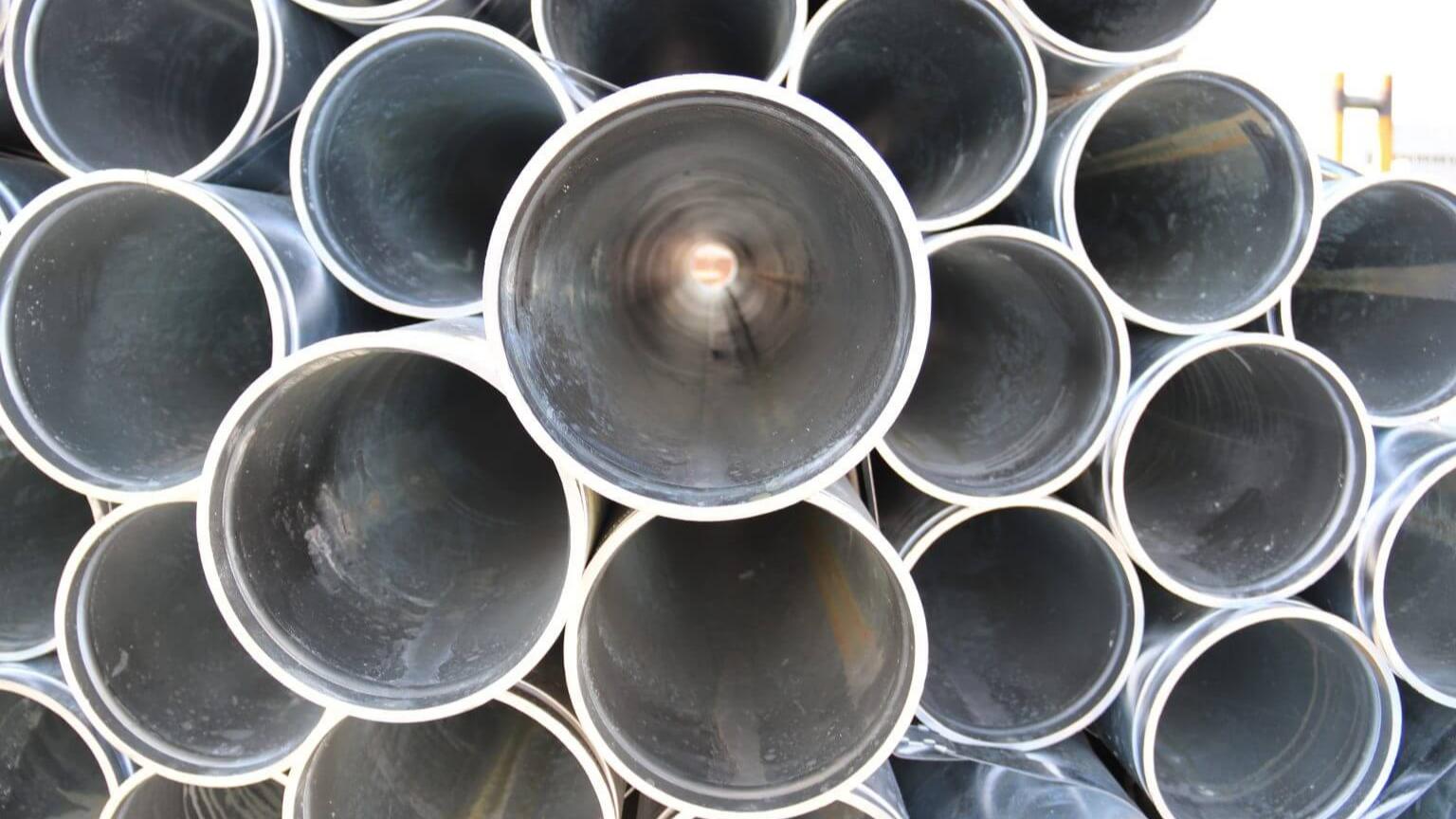
ASTM standards are used in many industries without being noticed directly. From steel pipes to building materials, these rules guide production and testing. Companies rely on them to meet contract requirements and customer expectations. PandaPipe uses these standards in the manufacturing of steel pipes to ensure the products meet the requirements of international projects in the construction and energy sectors.
Safety and Quality Control
One major role of ASTM standards is to support the safe use of materials. They establish clearly defined limits and test procedures that minimize the risk of material failure. This is crucial in regions where failure can cause damage or pose safety risks. They are used by companies like PandaPipe for quality control to ensure that all products are in the required condition before they are delivered.
Connection With Other Standards
ASTM standards often work alongside other international systems. In many industries, they are used together with ASME rules or similar frameworks. This enables companies from various nations to collaborate with mutual expectations. PandaPipe fully conforms to ASTM and related standards, so all its products can be used on global projects without compatibility issues.
Why ASTM Standards Still Matter Today
Despite the advanced technology available, ASTM standards continue to be used because of the stability they offer technical work. They help to minimize testing and production variation, thus keeping suppliers and users happy. This uniformity is particularly crucial in industries such as steel production. PandaPipe is continuing to adhere to these standards to ensure its products are suitable for international use. These standards remain a consistent benchmark for materials and testing as industries evolve.
Conclusion
ASTM standards are a structured set of guidelines that guide the testing, documentation, and application of materials. They can be used to reduce uncertainty by setting rules in various geographical and industrial contexts. This adds uniformity to material performance and facilitates communication between technical teams. From testing procedures to material definitions, the system supports reliable industrial work. Companies such as PandaPipe apply these standards in practice to ensure their products meet expected conditions in real-world use.