Design and assembly of mechanical systems involve bracket fabrication. Brackets are used to attach components, bear loads, and assist in keeping everything, both large and small, straight. They may seem straightforward, but the way in which they are made will directly determine their strength, fit, and durability. Once engineers understand the methods used to affect the creation of fabrication, they will be able to avoid the pitfalls that come with weak joints, loss of placement, or wasted material. It is true in most production environments, such as Shincofab, that fabrication steps are carefully monitored to provide brackets matching the design need and actual functionality requirements.
Material Selection
The initial process in making brackets is the material selection. The most popular ones are steel, aluminum, and stainless steel. They vary in strength and weight and have different corrosion rates. The engineers should be able to match the environment and loads with the material. The wrong decision can be a premature failure or a waste of money.
Cutting Methods
The bracket is cut and then formed. Precision and clean edges are commonplace in laser cutting. Another technique, effective with a repeated hole pattern, is punching. Cutting makes it unnecessary to do it again, since it is done correctly and will fit when assembling.
CNC Bending
Bending shapes out of brackets into the shape they have. Angles and dimensions can be controlled accurately using CNC press brakes. Even minor bending mistakes may cause a misfit within the finished assembled product. Regular bending is particularly important when working with elements designed to close with other materials.
Tolerance Control
Closeness to tolerances is very important in fabrication. Multiple components can be joined with brackets, and a single bend can lead to an opening or a stress area. Engineers should establish acceptable limits and keep the fabrication processes within these limits. There are shops such as Shincofab that have controlled systems to ensure constant tolerances between batches.
Welding Techniques
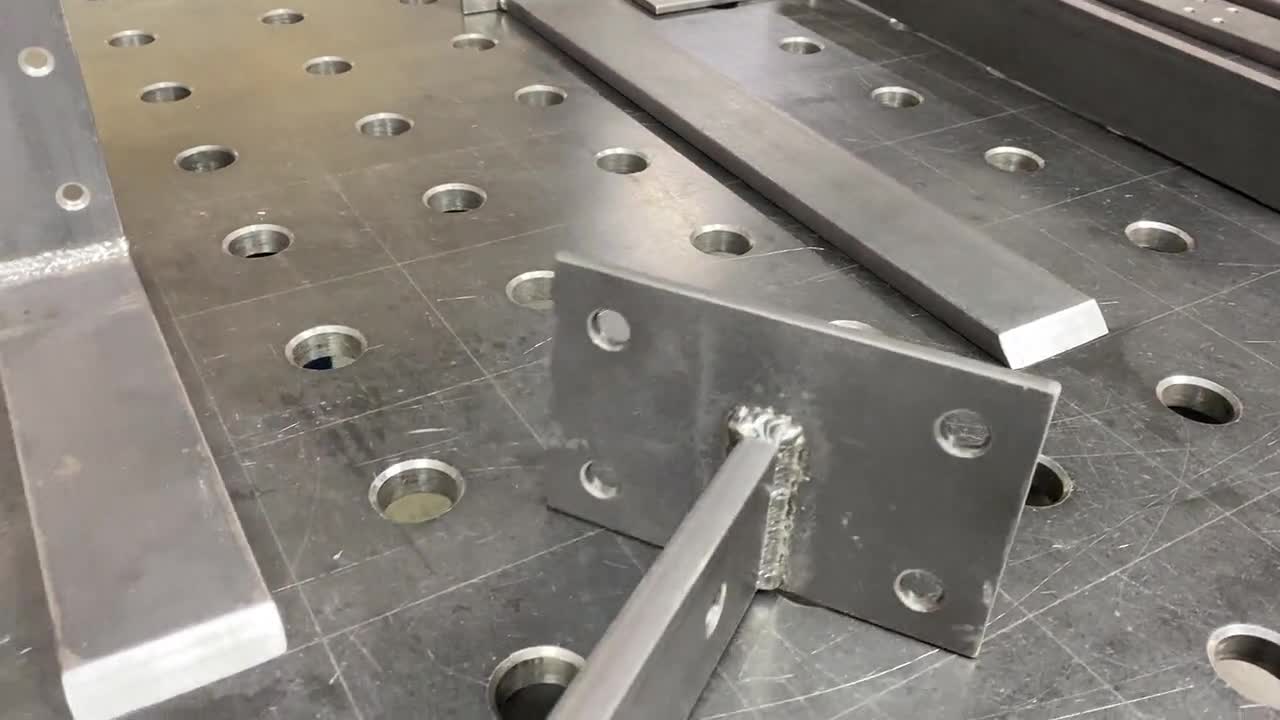
Other brackets may need to be welded to increase their strength or to create elaborate shapes. Common techniques include TIG and MIG welding. This option varies according to the type and thickness of material. In welding, making strong joints with no distortion is required, and proper welding practices ensure it.
Hardware Integration
In modern brackets, hardware to receive a threaded insert or stud may be built in. These characteristics make it easier to assemble and do not require any extra parts. Fastening them during fabrication is more efficient and yields strong fastening points in thin materials.
Surface Finishing
Surface finishing prevents corrosion and wear on the brackets. Powder coating, plating, and anodizing are options. Appearing is also enhanced by finishing, which is important for visible parts. The finish on the right is durable, reducing maintenance requirements.
Structural Reinforcement
Certain brackets must contain additional strength that could support heavy objects or vibrations. Reinforcement methods can include adding gussets or adding more material. The rigidity is achieved without changing the part’s design. Engineers should be able to compromise between strength, weight, and cost.
Design for Manufacturability
Fabrication becomes easier and more efficient when good design is undertaken. Early-stage engineers must consider bend radii, hole placement, and material constraints. The lack of proper design may result in cracks or deformation and increased production costs. Fabrication teams give feedback to improve designs before production.
Prototyping and Testing
With prototyping, engineers can test frame designs before manufacturing. Small batches are used to detect problems with fit, strength, or assembly. Most manufacturers, such as Shincofab, favor rapid prototyping to allow engineers to test designs without protracted wait times.
Production Scaling
When a design is complete, a scale of production must be established. The change in techniques can be towards less flexible techniques, like laser cutting, or towards a more cost-effective one, like stamping, to achieve large quantities of work. Scalability planning also ensures consistent quality coverage as demand grows.
Common Challenges
Warping of materials, poor bends, or weak welds are generally problems associated with bracket fabrication. Bad planning or mismanagement of processes are the precursors of these issues. They can be handled at their initial stage to minimize the wastage and improve the overall reliability of the end product.
Practical Considerations
Engineers need to consider, at all times, how brackets will be mounted and utilized. Issues related to design choices include access to tools, physical accessibility, and exposure to stress. These are considerations that teams at Shincofab frequently review to ensure the brackets work in the field rather than on paper.
Conclusion
Fabrication of brackets does not just mean molding metal to form a simple shape. Every part, starting with the selection of materials used and ultimately finishing, contributes to the performance of the part. Well-informed engineers can develop brackets that are robust, reliable, and easy to design. Close attention to the story of fabrics will help to avoid failures and improve the overall quality of the product.